
Naveen Sahney
Director
If you're considering making your home or residential property more energy efficient, there could be a financial reason to review your plans sooner rather than later.
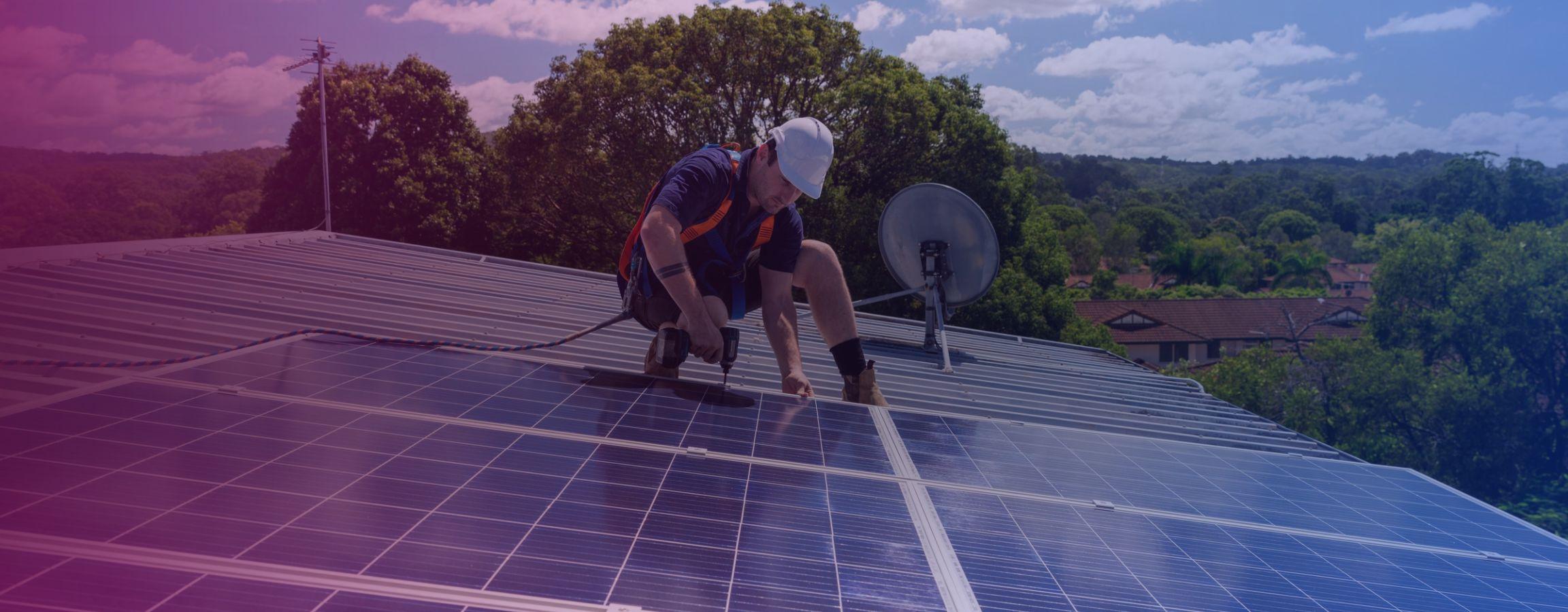
The installation of certain qualifying energy-saving materials in residential accommodation and relevant charitable buildings currently benefits from a temporary 0% VAT rate. This can include materials such as solar panels, insulation, heat pumps and electrical storage batteries where the relevant conditions are met. However, the zero rate is currently due to end on 31 March 2027. From 1 April 2027, qualifying installations are scheduled to return to the reduced VAT rate of 5%.
For property owners already considering energy-efficiency improvements, understanding whether the relief applies and when planned work will take place could therefore make a meaningful difference to the overall cost.
The temporary zero rate applies to the installation of certain energy-saving materials where the relevant conditions are satisfied.
As per VAT Notice 708/6, qualifying materials can include:
The scope of the relief was expanded from February 2024 to cover electrical storage batteries, including standalone battery installations, as well as water-source heat pumps and certain other technologies.
Importantly, the VAT rules concern qualifying installations. Property owners shouldn't assume that simply buying an energy-efficient product will automatically qualify for 0% VAT. The nature of the equipment, property and supply all need to be considered.
The difference between 0% and 5% VAT can become material as the size of a project increases. For example, a qualifying installation costing £20,000 before VAT would currently attract no VAT. At 5%, that represents an additional cost of £1,000.
That doesn't mean work should be brought forward purely for tax reasons. Cost, suitability, financing, expected energy savings and the practical installation timetable all need to be considered.
However, where investment is already planned, the scheduled end of the temporary zero rate provides a clear reason to understand the VAT treatment and likely timing of the project well before 1 April 2027.
The relief can apply to qualifying installations in residential accommodation and relevant charitable buildings, so it is potentially relevant to residential landlords, property investors as well as homeowners and charities.
The precise VAT position will depend on the property and work being undertaken.
VAT may be only one consideration. For property owners, there could be wider tax implications depending on the expenditure such as capital allowances, ownership structure and use of the property. The overall tax position should therefore be considered alongside any potential VAT saving when assessing a significant investment.
With the current 0% VAT rate due to end on 31 March 2027, property owners already considering qualifying energy-efficiency projects have a clear reason to review their plans. Azets can help you understand whether proposed work may qualify for VAT relief and how the VAT treatment fits into the wider tax position.
If you're planning energy-efficiency improvements to a residential property or a relevant charitable building, speak to our VAT specialists about the potential tax treatment before committing to the project.
Director