Home

Autumn Budget 2026

Contact us

Chancellor John Healey will deliver the Autumn Budget 2026 on Wednesday 28 October. It is his first Budget as Chancellor and is expected to provide a clearer indication of the government's long-term approach to taxation, public finances, business investment and economic growth.

Our tax specialists are following every development. Here, you'll find our view on the areas receiving the most attention ahead of the Budget, changes that have already been announced, and practical steps you can take before Budget day.

Speak to a tax adviser

Key dates

  • 28 October 2026: Autumn Budget and OBR forecast published
  • 31 January 2027: Deadline for filing and paying 2025/26 Self Assessment tax liabilities
  • 5 April 2027: End of the 2026/27 tax year and deadline for using many annual tax allowances.
  • 6 April 2027: Start of the 2027/28 tax year, when many changes are likely to take effect
  • 6 April 2027: Making Tax Digital (MTD) for Income Tax expands to sole traders and landlords with qualifying income of £30,000 or more, changing how affected taxpayers keep records and report income to HMRC.
  • 6 April 2027: Changes to the inheritance tax treatment of pension funds are expected to take effect.

Explore our Autumn Budget 2026 insights

Explore our latest insights on tax, payroll, business, private client and wealth planning topics relevant to the Autumn Budget.

Budget 2026: Seven actions worth considering before 28 October

The new Chancellor may not deliver the Budget until 28 October, but for many businesses and individuals, the most valuable preparation starts before a single announcement is made.

Learn more

Webinar | Autumn Budget 2026: Preparing for a new direction?

Join our specialists as they analyse the key measures announced in the Budget, explore their potential impact and share practical guidance to help you prepare for what comes next.

Register here

Budget 2026: Five things businesses need to invest, employ and grow

As the Chancellor prepares this year's Autumn Budget 2026, business owners across the UK will be watching closely.

Learn more

2027 IHT reform: Time is running short to review pension planning

In just over 6 months, significant changes to the inheritance tax (IHT) treatment of pensions are expected to come into force, individuals and families are entering a crucial planning window.

Learn more

Could your business withstand an autumn cashflow squeeze?

For many businesses, October can be one of the most demanding months in the tax calendar.

Learn more

What the CGT business asset gift relief changes mean for business owners

A significant aspect of Capital Gains Tax (CGT) business asset gift relief is changing for disposals made on or after 6 April 2027.

Learn more

Wealth planning in a changing tax landscape

Recent changes to Inheritance Tax (IHT) and Capital Gains Tax (CGT) and business succession reliefs have altered the planning landscape for many individuals and families.

Learn more

Autumn Budget 2026 at a glance

We'll publish the key announcements from the Autumn Budget 2026 here on 28 October, shortly after the Chancellor's statement. Register below to receive our Budget summary and expert analysis direct to your inbox.

Join our mailing list

What the Autumn Budget could mean for businesses

The Chancellor has stressed fiscal discipline and growth, which means businesses should prepare for changes that could affect costs, cash flow and investment decisions. The areas we're watching most closely include employer costs and payroll, business rates, capital allowances and investment incentives, and the tax treatment of business owners' income and exits.

If you're planning a significant transaction, restructure or investment, talk to us about whether the timing of any planned activity should be reviewed ahead of Budget day.

Explore our business tax services

What the Autumn Budget could mean for individuals and families

For individuals, the main areas of focus are likely to be tax thresholds, capital gains, dividends, pensions, property and inheritance. Changes in any of these could affect how you save, invest, draw income and pass on wealth.

A pre-Budget review can help you understand where you're exposed and whether there are sensible actions to take now, such as using this year's allowances or reviewing your wider financial and wealth planning arrangements.

Explore our private client services
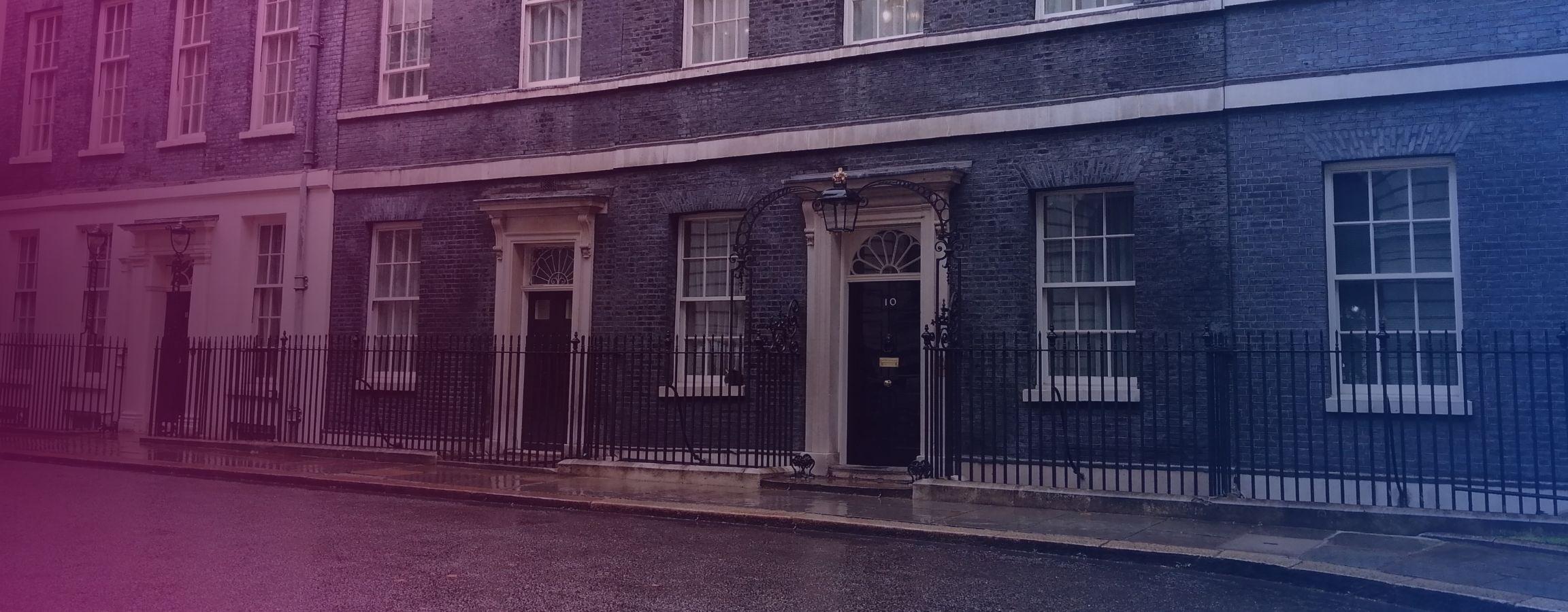
Talk to a tax adviser or wealth management specialist

Every Budget brings changes that affect businesses and individuals in different ways. Our tax specialists and financial planners can help you understand what the Autumn Budget 2026 means for you and plan with confidence, before and after 28 October.

Contact us

Autumn Budget 2026 FAQs

The Autumn Budget 2026 will be delivered on Wednesday 28 October 2026.

The budget statement traditionally follows Prime Minister's Questions, so it usually starts at around 12.30pm. We'll publish our summary on this page on the day of the Chancellor’s statement.

The Office for Budget Responsibility (OBR) is the UK's independent fiscal watchdog. It publishes its economic and fiscal forecast on budget day, which shows how the government's plans affect growth, borrowing and debt.

It varies. Some measures take effect immediately on Budget day, many apply from the start of the next tax year on 6 April, and others are phased in later. Each of our insights covers when the relevant changes apply.

It depends on your circumstances. In some cases, such as using annual allowances or timing a disposal, acting early can help. Speak to an adviser before making any decisions based on speculation. The right approach is usually to focus on actions that already make commercial, tax or financial planning sense, regardless of Budget announcements.

Get in touch

Find your local office

Find a specialist

Get in touch